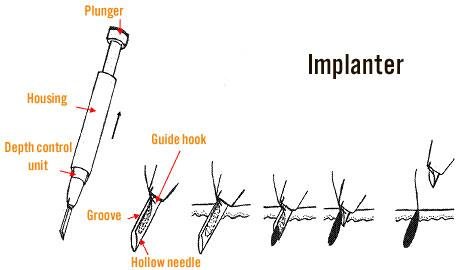
COMPARISON OF TECHNIQUES
CHOIEXPERT Clinic is using the most innovative technique (Direct FUE), that revolutionized the world of hair transplantation. It is the latest evolution of the classic FUE technique, which improves several disadvantages of the previous version of classic FUE, that is used today from many clinics around the world. From the first stage of extraction to the implantation of the hair follicles, Direct FUE technique differs from both the FUT and FUE technique. Modern, simple and effective, Direct FUE technique is performed only by experienced, certified and highly trained medical staff (using a motorized punch for the extraction of the follicles and a CHOI implanter pen for the implantation), while the final result is so natural that it is not even perceived by your hairdresser. The biggest aesthetic advantage of CHOIEXPERT’s Technique is that each hair follicle is placed in a specific direction, angle and depth, under the rules of our doctors’ preference with the use of a CHOI pen, the implanter that leaded to the perfection of the classic FUE results, due to doctor’s ability to follow the natural growth of the existing hair.
Direct FUE vs. classic FUE and FUT hair transplant
Direct FUE, FUE, and FUT all involve taking follicles from one part of your scalp and implanting them into balding areas.
The main aesthetic disadvantage of the FUT surgery is that a surgeon cuts a long and narrow strip of skin from the back of your scalp, which can leave dysmorphic linear scars in the donor area. Individual hair follicles are removed and implanted along your hairline. This method is usually the quickest and cheapest, but it is actually an “old-fashioned” technique. The scar may be noticeable if you have your hair short, but longer hair in some cases hides it. Except for the aesthetic problem that this long scar creates, at least 5 – 10% of those patients who have undergone an FUT-Strip hair transplant, have post-operatively reported chronic pains in the scar’s area. Additionally, in a 20 – 25% of the patients who have undergone an FUT-Strip hair transplant, is reported hyperesthesia in the scar’s area.
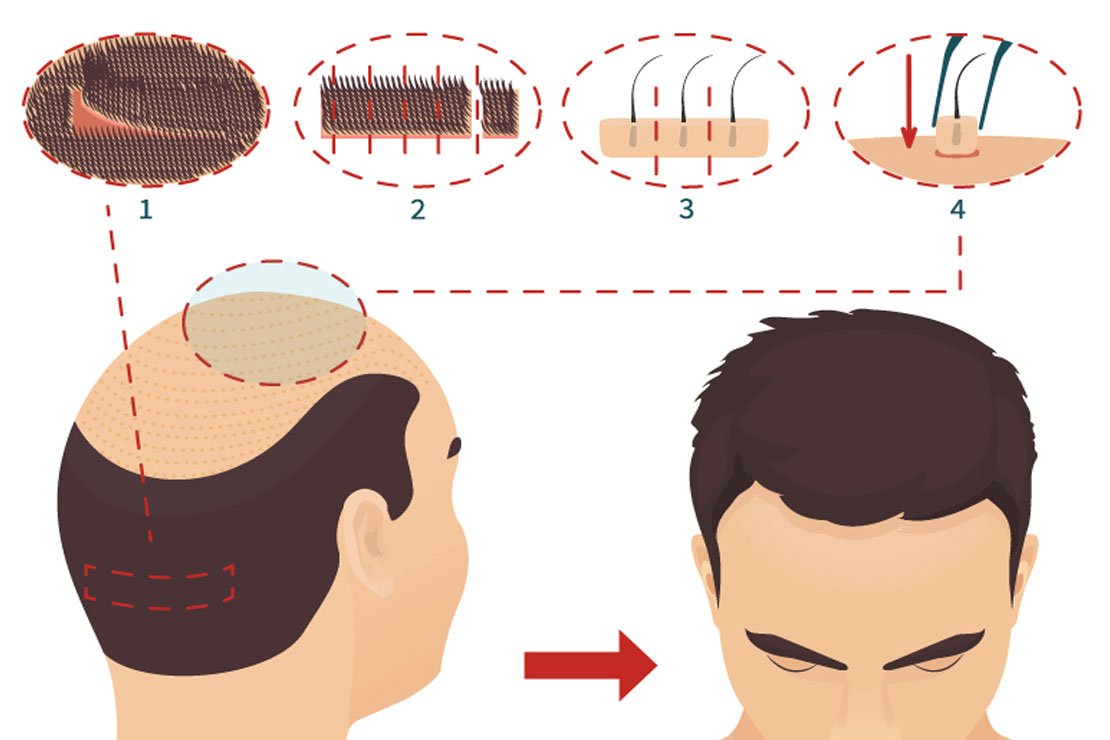
Picture 1.1 (FUT technique): A long strip is being cut from the donor area, in order to collect a number of grafts for the covering of the thinning area
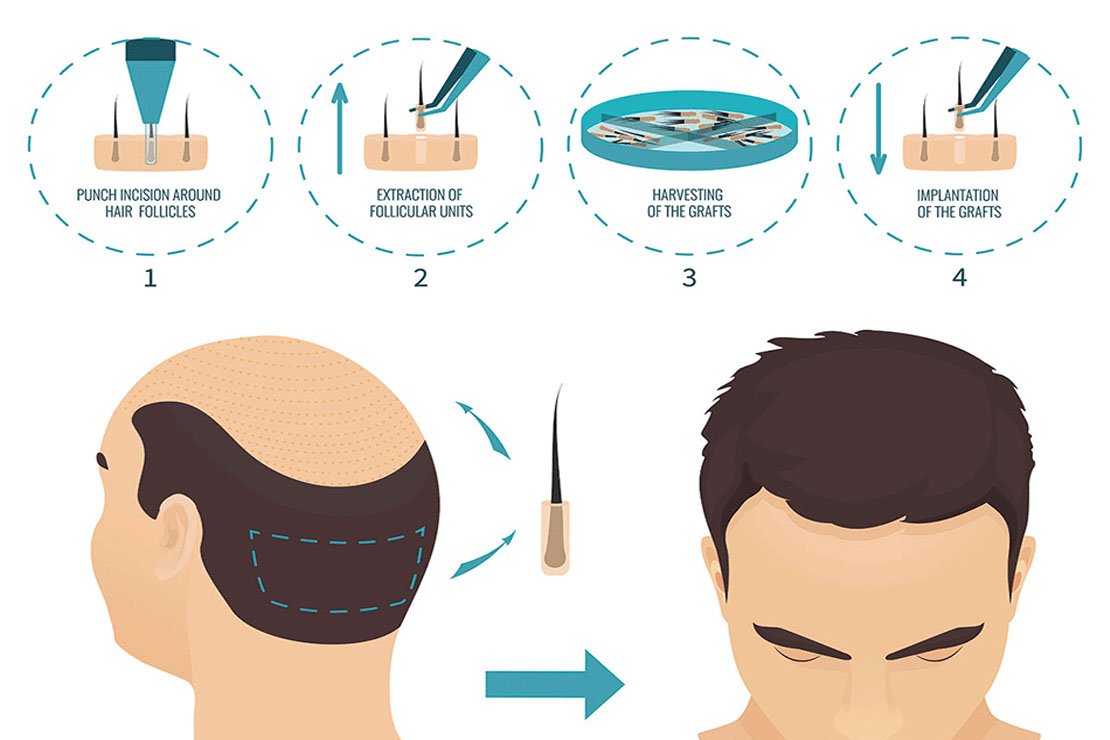
Picture 1.2 (FUE technique): The extraction of the grafts is performed one-by-one without creating visible scars or marks on the donor area
In Direct FUE and classic FUE surgeries, individual hair follicles are removed directly from your scalp. There are both manual and mechanical punches available. Although mechanical-motorized punches considerably reduce the operation duration, they also reduce the chance of a graft transection. Individual tailoring of the punch size and depth depending on the patient is key to minimizing the transection. The difference between these two procedures is noted during the implantation part (although the graft removal process of Direct FUE is same as the classic FUE during the extraction part).
The main difference between these two techniques is that during the classic FUE Technique implantation procedure, a surgeon manually cuts a series of canals in your scalp in order to insert the hair follicles. CHOIEXPERT’s (Direct FUE) technique allows surgeons to make these incisions and implant hair at the same time. The biggest aesthetic advantage of the Direct’ s FUE Technique is that, each hair follicle is placed in a specific direction, angle and depth, under the specific rules our doctors follow and by the use of a Choi pen, the implanter which was an evolution in hair transplant methods and leaded to the perfection of the classic FUE results, due to doctor’s ability to follow the natural growth of the existing hair.